Looking for a timeless, cost‑effective way to give your home a farmhouse‑like charm while boosting durability? Board and batten siding delivers a sleek vertical profile that not only enhances curb appeal but also provides solid weather protection—making it one of the most requested exterior cladding options in 2026. For a seamless upgrade, start by consulting local experts; find reliable siding installers near you to ensure proper installation and avoid common pitfalls.
What Is Board and Batten Siding and Why Is It Trending?
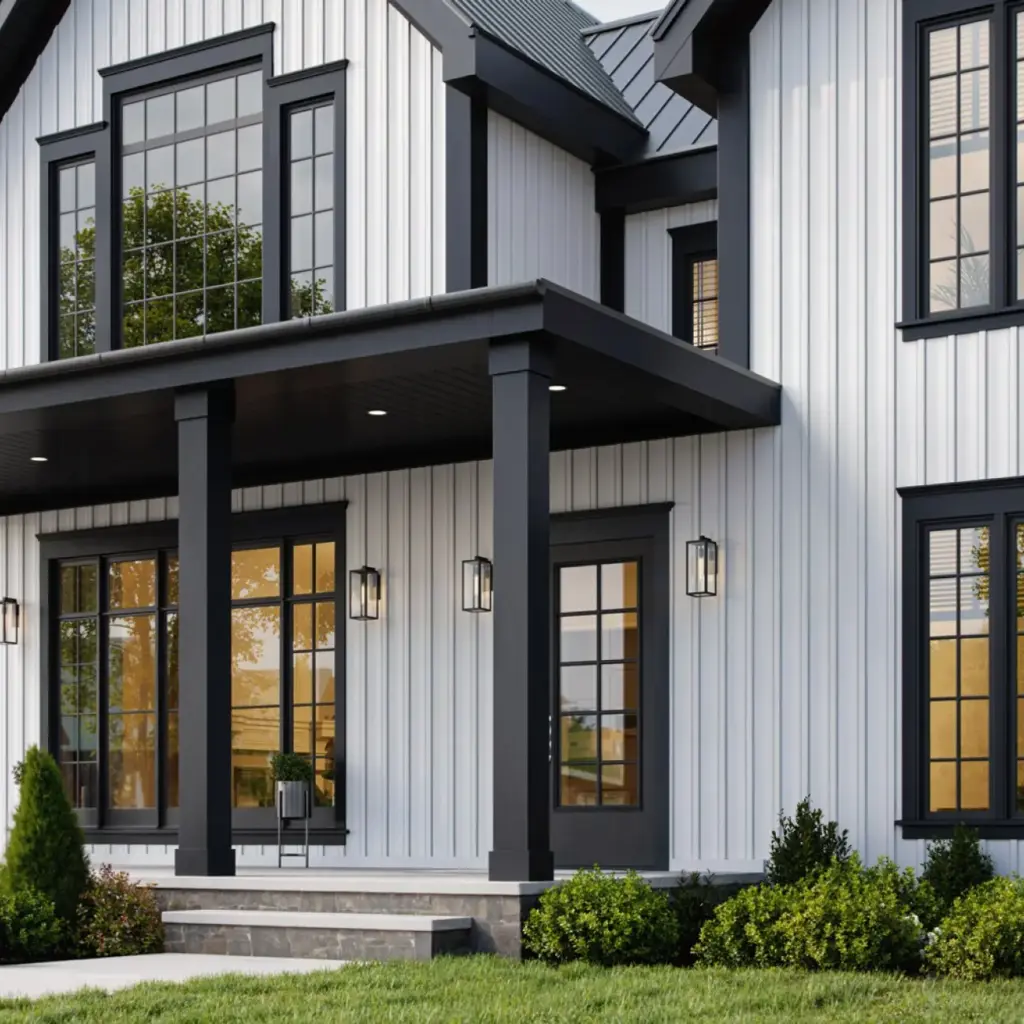
Board and batten siding consists of wide wooden or fiber‑cement boards (the “boards”) placed vertically with narrower strips (the “battens”) covering the seams. This simple yet striking design originated on 19th‑century barns and has since migrated to modern residential architecture. According to the 2026 National Association of Home Builders (NAHB) market report, vertical siding styles—including board and batten—account for 18% of all new siding installations, up 4% from 2025, driven by growing consumer demand for rustic aesthetics combined with energy‑efficient performance.
Key Benefits at a Glance
- Enhanced Energy Efficiency: The deep seams create natural air pockets that improve insulation, reducing heating bills by up to 12% in colder climates (Energy.gov, 2026).
- Durability: Fiber‑cement boards can last 30‑50 years with minimal upkeep, resisting rot, termites, and fire.
- Visual Impact: The vertical lines elongate the façade, making modest‑sized homes appear taller and more elegant.
- Versatility: Available in wood, fiber‑cement, and engineered wood, allowing homeowners to balance budget with performance.
Choosing the Right Material for Your Board and Batten Project
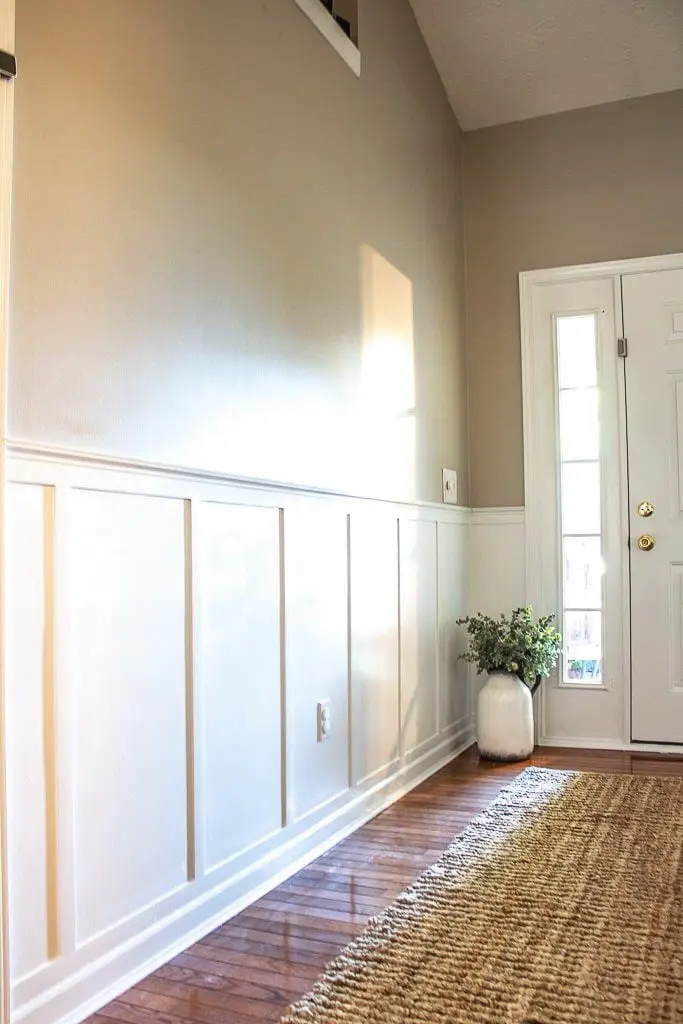
While classic pine boards are still popular for their authentic grain, most contractors now recommend fiber‑cement or engineered wood for superior moisture resistance. Here’s a quick comparison:
Table of Contents
- What Is Board and Batten Siding and Why Is It Trending?
- Key Benefits at a Glance
- Choosing the Right Material for Your Board and Batten Project
- Step‑by‑Step Guide to Installing Board and Batten Siding
- 1. Prep the Exterior Wall
- 2. Install the Vertical Boards
- 3. Apply the Battens
- 4. Finish with Trim and Paint
- Cost Considerations and Savings Opportunities
- Common Mistakes and How to Avoid Them
- Improper Alignment
- Skipping the Weather‑Resistant Barrier
- Using Incompatible Fasteners
- Real‑World Case Study: A Mid‑Century Renovation in Austin, TX
- FAQ – Quick Answers to Your Board and Batten Questions
- Maintenance Tips to Extend the Life of Your Siding
- Where to Find Professional Help and Reliable Materials
- Final Thoughts: Is Board and Batten Right for You?
| Material | Life Expectancy | Maintenance | Cost (per sq ft) |
|---|---|---|---|
| Natural Wood | 15‑25 years | Annual staining or painting | $3‑$5 |
| Fiber‑Cement | 30‑50 years | Repaint every 10‑15 years | $5‑$8 |
| Engineered Wood | 20‑30 years | Repaint every 8‑12 years | $4‑$6 |
For homeowners in high‑humidity regions, fiber‑cement is often the safest bet. Meanwhile, those seeking a truly authentic look might opt for sustainably sourced cedar, especially when paired with a protective sealant.
Step‑by‑Step Guide to Installing Board and Batten Siding
Even if you plan to hire professionals, understanding the installation sequence helps you assess quotes and spot potential red flags. Below is a concise, actionable roadmap based on best practices from industry specialists and the 2026 International Siding Installation Standards (ISIS).
1. Prep the Exterior Wall
- Remove existing siding, trim, and any damaged sheathing.
- Inspect and replace rotted studs; reinforce with pressure‑treated lumber where needed.
- Apply a weather‑resistant barrier (WRB) such as Tyvek® to prevent moisture infiltration.
2. Install the Vertical Boards
- Start at the bottom, using a level to guarantee true vertical alignment.
- Leave a 1/8‑inch gap between each board to allow for expansion.
- Secure boards with corrosion‑resistant nails or screws spaced 16 inches on center.
3. Apply the Battens
- Center each batten over the seam between two boards; typical width is 2‑3 inches.
- Fasten battens with the same fasteners as the boards, ensuring the heads sit flush.
- Use a caulking bead on the interior side of each batten to seal any gaps.
4. Finish with Trim and Paint
- Install corner and window trim pieces to complete the look.
- Prime all surfaces with a high‑quality, oil‑based primer, then apply two coats of exterior paint or stain.
- Consider a light‑reflective paint for hotter climates to improve energy efficiency.
Cost Considerations and Savings Opportunities
In 2026, the average cost for a complete board and batten installation—including removal of old siding—ranges from $7 to $12 per square foot, according to the Home Improvement Research Institute (HIRI). While this may seem higher than standard vinyl siding, the long‑term savings in maintenance and energy bills often offset the initial outlay.
Homeowners can reduce expenses by:
- Choosing fiber‑cement over premium cedar for a balance of durability and price.
- Bundling the project with other exterior upgrades such as gutter leaf guards, which many contractors offer a discount for combined work.
- Applying for local energy‑efficiency rebates; several municipalities in the Midwest provide up to $1,500 for installing insulated board and batten systems.
Common Mistakes and How to Avoid Them
Even seasoned DIYers can stumble. Here are the most frequent errors and practical fixes:
Improper Alignment
Misaligned boards create an uneven look and can lead to water infiltration. Always double‑check each board with a plumb line before fastening.
Skipping the Weather‑Resistant Barrier
Omitting the WRB dramatically reduces the wall’s ability to shed moisture. Invest in a high‑quality barrier; the modest cost pays off in preventing rot.
Using Incompatible Fasteners
Stainless‑steel or hot‑dipped galvanized nails are essential for fiber‑cement. Regular steel nails corrode, compromising the siding’s integrity.
Real‑World Case Study: A Mid‑Century Renovation in Austin, TX
In March 2026, a 2,200‑sq‑ft home in Austin underwent a full board and batten makeover. The owners chose reclaimed cedar for the boards and fiber‑cement battens to meet local fire code requirements. After a 10‑day installation, the property’s energy audit showed a 14% reduction in cooling loads, and the homeowner’s insurance premium dropped by 6% due to the fire‑resistant materials. The project was coordinated by one of the top siding companies in 2026, highlighting the value of professional expertise.
FAQ – Quick Answers to Your Board and Batten Questions
- Can I install board and batten siding over existing vinyl siding?
- Yes, if the existing siding is in good condition and properly anchored; a furring strip system may be required to achieve a flat surface.
- How often should I repaint board and batten siding?
- For wood, repaint every 3‑5 years; fiber‑cement typically needs repainting every 10‑15 years, depending on sun exposure.
- Is board and batten siding suitable for high‑wind areas?
- When installed with proper fasteners and a solid WRB, it meets most local wind‑load requirements; however, consult a local engineer for hurricane‑prone zones.
- Will board and batten increase my home’s resale value?
- According to a 2026 Zillow Home Value Index analysis, homes with board and batten siding saw an average price premium of 4.5% compared to those with standard siding.
- Do I need a permit for board and batten installation?
- Most municipalities require a building permit for exterior cladding changes; check your city’s planning department before starting.
Maintenance Tips to Extend the Life of Your Siding
Regular upkeep ensures the boards remain weather‑tight and visually appealing:
- Inspect annually: Look for loose battens, cracked paint, or water stains.
- Clean gently: Use a low‑pressure hose and mild detergent; avoid power washers that can force water behind the siding.
- Re‑seal gaps: Apply exterior-grade caulk to batten seams every 5‑7 years.
- Trim vegetation: Keep shrubs at least 12 inches away to prevent moisture retention.
Where to Find Professional Help and Reliable Materials
Choosing the right contractor is as critical as picking the siding itself. A reputable installer will provide a written warranty, verify that all fasteners meet the International Building Code (IBC) 2026, and offer a clear timeline. For a curated list of vetted professionals, see find reliable siding installers near me—a resource that aggregates reviews, licensing data, and cost estimates.
When sourcing materials, look for manufacturers that carry the Green Building Product Database (GBPD) certification. This ensures the boards contain recycled content and meet low‑VOC emission standards, aligning with today’s sustainability goals.
Final Thoughts: Is Board and Batten Right for You?
Board and batten siding remains a compelling choice for homeowners seeking a blend of classic style, durability, and energy performance. While the upfront cost exceeds that of vinyl, the long‑term benefits—lower utility bills, reduced maintenance, and added resale value—make it a smart investment for many. By following the installation guidelines, selecting appropriate materials, and partnering with experienced professionals, you can enjoy a stunning façade that stands the test of time.
Ready to start? Begin by assessing your budget, checking local building codes, and reaching out to a trusted installer today.
